


How to Train for a Multi-Day Trek
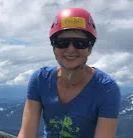
Guest Post by Rachel Carey DeBusk, Unstill Life Fitness

Multi-day treks have a way of revealing the world—and yourself—at a deeper pace. They’re immersive, demanding, and incredibly rewarding when you’re prepared for what the trail asks of you.
After sharing my Top Multi-Day Treks Around the World, one question kept coming up:“How do I actually train for something like this?”
That’s where Rachel Carey DeBusk comes in.
Rachel is the founder of Unstill Life Fitness and a coach I trust deeply when it comes to building real-world strength and stamina. For years, she’s helped hikers, trekkers, and everyday athletes prepare for everything from long weekend backpacking trips to month-long walking journeys across challenging terrain. Her approach is smart, sustainable, and grounded in how bodies actually move over long days on the trail.
In the post below, Rachel breaks down exactly how to train for a multi-day trek—covering endurance, strength, mobility, pack weight, elevation, and how to know when you’re truly ready. Whether you’re dreaming of hut-to-hut walks in the Alps, trekking in Patagonia, or taking on a long-distance cultural route, this is the kind of preparation that allows you to enjoy the journey instead of just surviving it.
If trekking or active travel is part of your future plans, I strongly encourage you to explore Rachel’s work at Unstill Life Fitness. Her programs are an excellent complement to thoughtfully designed travel—helping ensure your body is as ready as your itinerary.
👉 Visit Unstill Life Fitness to learn more about Rachel’s training programs and outdoor strength & stamina sessions.

Now, Let’s Get You Trail-Ready
Now that I’ve whet your appetite with Jim King’s Zephyr Travel Curators post on magnificent multi-day walks all over the world, let’s talk about how you train up for such a journey. Over the past several years, I’ve trained backpackers, hikers and trekkers taking on anything from 2-day backpacking trips to more than a month of long daily walks. These experiences can be a serious upgrade in fitness as well as a life-changing way to take a long look at a culture and landscape.
This form of adventure travel has really taken off in the past few years, and Unstill Lifers are on it. I love seeing that they use our Strength and Stamina workouts and running sessions to prepare and then spend that fitness on such a spectacular experience. But I have also have acquaintances or social media connections who do minimal preparation for these trips. That way lies trouble, friends! To be equal to a major walk/hike/trek, sets you up not just to come away from it without injury, but allows you to fully enjoy and take it in.
While training for a trek depends a great deal on the specifics of the trip, there are some generalities that pertain to all training. These treks are multiple days in a row of walking several miles (5-15) each day with only occasional rest days mixed in. Trekkers almost always need to carry some kind of pack, but it could range from something light with a snack or lunch, water, guidebook and a jacket, (say 10# or less) to all your clothing, toiletries in addition to the above (25# or more).
Some of the variables that inform training are:
Total number of days you’ll be walking
Number and frequency of rest days
Daily mileage
Elevation gain and loss (daily and total over the trip)
Starting elevation (accounting for high altitude adjustment)
Technicality and type of terrain (rocky, sandy, gravel, paved)
Weight of gear/pack
Your training should account for each of these variables in combination with the others, so that, over time, your workouts mimic all the conditions you’ll face on your journey in a similar timeframe.

Types of Fitness Needed for a Trek
Trekking folks need to focus primarily on three areas:
cardiovascular fitness
strength endurance in lower body, back, shoulders and core
mobility in the hips, legs, ankles, back and shoulders
When we’re considering the cardio aspect, walking, hiking and trekking call for aerobic fitness, meaning cardio at a level that can be sustained over many hours. But anaerobic training (higher intensity intervals that are not sustainable beyond a few minutes) help trekkers build their aerobic capacity, so it has a role in training too.

Ramp Up Gradually
Typical training involves gradually ramping up to a mileage that approximates the daily average for your trip. At first this should include recovery days between hikes, but soon works up to back-to-back days mimicking what is expected on the trip. Depending on your starting fitness, this ramp up might call for 10-20 weeks of gradual build up, so count back from your trip date plotting out gradually increasing walks with gradually decreasing rest days between. Keeping the increases in weekly mileage and individual hike mileage to no more than 15% is a good guideline to avoid overuse injuries. Give your body time to adapt to what you’re taking on. And as with any athletic training, recovery is as important as training. Extra rest, hydration, high quality nutrition targeted to your caloric and macronutrient needs, and body care will allow you to get stronger from your workouts.
Add Elevation Change, Down as Well as Up
If your trip will include ups and downs and you aren’t used to walking/hiking in hills or mountains, get comfortable with 3-5 flat-ish walks a week for about a month. Then add a few hundred feet of elevation gain. Continue adding a few hundred feet elevation and/or distance on successive weeks (aim for about a 10-20% increase each week). Make sure your walks include downhill as well as uphill. Many folks focus on getting the ascent training, but downhill is also essential.
What if you don’t have access to hills? Of course Seattle’s streets and parks can give you opportunities for ups and downs. Even in a pinch, you can use stairs, parking ramps, stairclimbers or treadmills set to an incline. Unstill Life Saturday Endurance sessions feature plenty of hills!

Pick Up the Pace (i.e., anaerobic interval training)
Once you have several weeks of foundational hiking or walking and have included climbs/descents if applicable to your trip, you’re ready to start some great stamina improving workouts. You might know these as Fartleks or harder intensity intervals in which you’ll take a segment of your hike ( a 100-200 yd hill, or a block or two) and push yourself at a higher intensity – say an 8-9 out of 10– then return to an easier pace and catch your breath, repeating this for several cycles. This will introduce quicker leg turnover and require you to push for short segments.
Another way to build your stamina using a more moderate intensity is to benchmark some of your regular routes or hikes (how long does it take you to do them at a steady rate?) In future weeks, aim to do the same route a few minutes faster, or add 3-5# to your pack and see if you can achieve the same time with added weight.
Build Hiking Strength
Of course, your endurance workouts as described above are just part of your training. If you want to get through your trip injury-free and have a great time, you must do additional strength training especially focused on legs, hips, back, abdominals and shoulders. Single leg exercises are especially good because they develop balance and help you overcome imbalances between limbs. Recommended exercises to include:
Dumbbell Walking lunges
Split squats (with optional calf raise)
Dumbbell step ups including variations such as: side step ups, step downs and reverse step ups
Single arm dumbbell row
Dumbbell shrug
Side Plank with hip abduction (leg lift)
Plank variations, dead bugs, farmer’s carries
Triceps extensions (especially if using trekking poles)
Either finishing a strength workout, or as a standalone session, include stretches for calves, quads, hamstrings, back and chest.
How to Know You’re Ready
I use a protocol from one of my favorite resources for training–The Outdoor Athlete by Courtenay and Doug Schurman.
The 10% Over-Goal Guideline – this concept states that given three variables of trek training–distance, elevation gain/loss and pack weight–you can gauge readiness for your trip if you achieve one aspect of training 10% above goal level. So if your goal is to walk 10 miles a day with 3000 feet of elevation gain carrying a 20# pack, you can feel confident of your readiness if you achieve one of the scenarios below:
10 miles and 2000′ with a 25# pack. (more weight, less climb)
12 miles and 3000′ with a 15# pack. (more distance, less weight)
8 miles and 3400′ with a 15# pack. (more climb, less distance/weight)
The 3 Variables Guideline
Using the above three variables for any walks, you can structure your training by flexibly dialing in the variables (moderately) to adjust for each other. So if you don’t have a hike of the desired length, you can do something shorter with greater elevation or a heavier pack.
Come meet up with us for Strength & Stamina Outdoor workouts or Unstill Life Half-Fast Walk & Run sessions–both are great conditioning for trekking and hiking. And if you’re unsure how to take on training, let’s chat. I’d love to hear about your adventure plans and help you get ready.
Above all, allow yourself plenty of time to do the methodical work to prepare so you can experience great fitness and soak up what these amazing journeys have to offer.

Comments